
If you want to become a stronger photographer, understanding photography composition rules is one of the most important skills you can develop.
Composition is the difference between a photo that simply records a moment and one that feels intentional, cinematic, and powerful. The good news is that composition is not some mysterious artistic talent. It is something you can learn, practice, and refine over time.
In this photography composition guide, we are going to explore the most important techniques professional photographers use every day. You will learn how to compose better photos, understand the classic rules that shape strong imagery, and discover when to break photography rules in order to develop your own voice.
Whether you are searching for beginner photography composition tips or you are an experienced photographer looking to refine your work, mastering composition is one of the fastest ways to elevate your images.

Why Photography Composition Matters
Great photography is rarely accidental. Professional photographers are constantly thinking about structure, balance, and visual flow within an image.
Strong composition helps you:
- Guide the viewer’s eye through the photograph
- Emphasise emotion and storytelling
- Create depth and visual interest
- Produce images that feel polished and intentional
Learning the foundations of composition also plays a huge role in developing a photography style. Once you understand the traditional structures of image-making, you gain the freedom to bend them creatively.

Framing in Photography
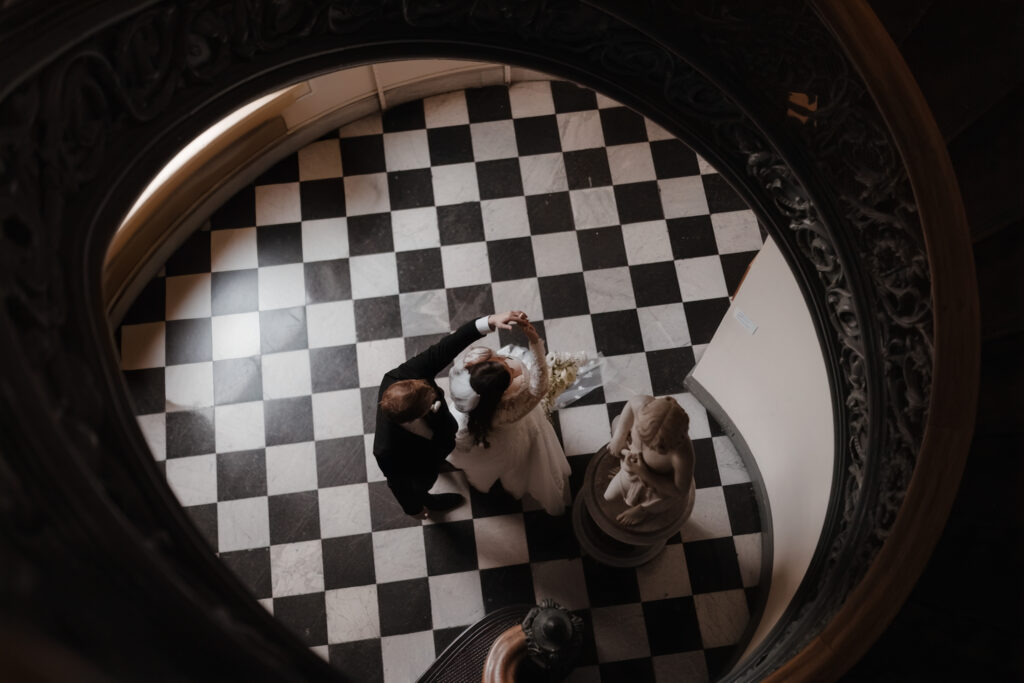
Framing in photography is one of the simplest yet most powerful composition techniques. It involves using elements within the environment to create a visual frame around your subject.
This might include:
- Doorways
- Windows
- Archways
- Tree branches
- Architectural elements
Framing naturally directs attention toward your subject while adding depth to the image. It also creates a sense of place, which is particularly valuable in storytelling photography.
Rule of Thirds Photography
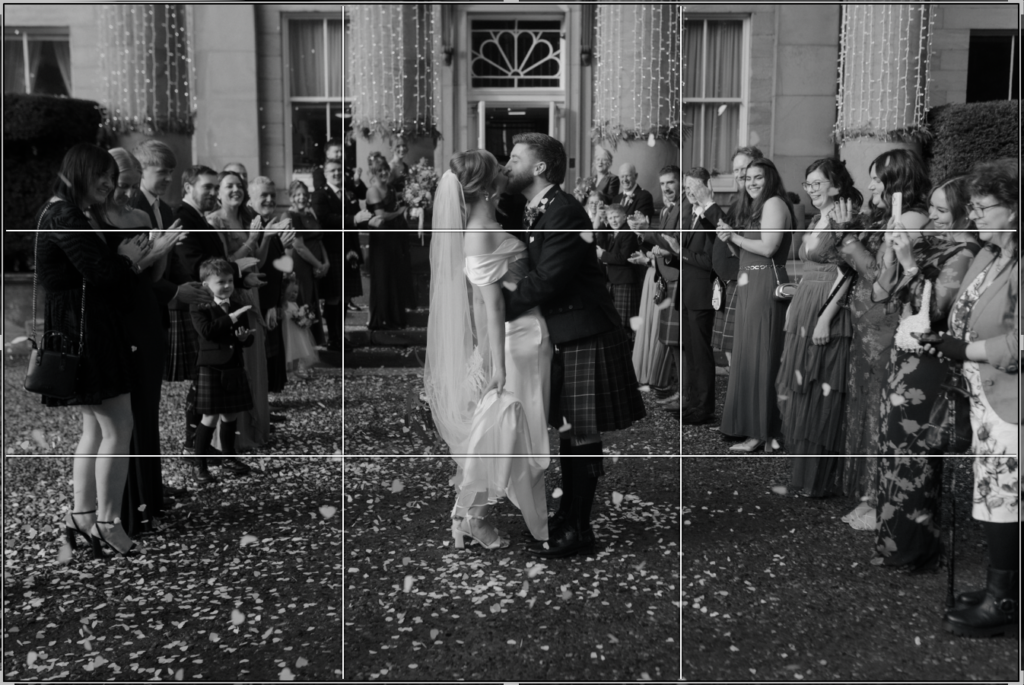
One of the most widely known photography composition rules is the rule of thirds photography technique.
Imagine dividing your frame into a grid of nine equal sections using two vertical and two horizontal lines. The key idea is to place your subject along these lines or at the intersection points.
This approach creates images that feel balanced while still leaving breathing room around the subject.
The rule of thirds is often one of the first beginner photography composition tips photographers learn because it instantly improves image structure.
Symmetry Photography Composition
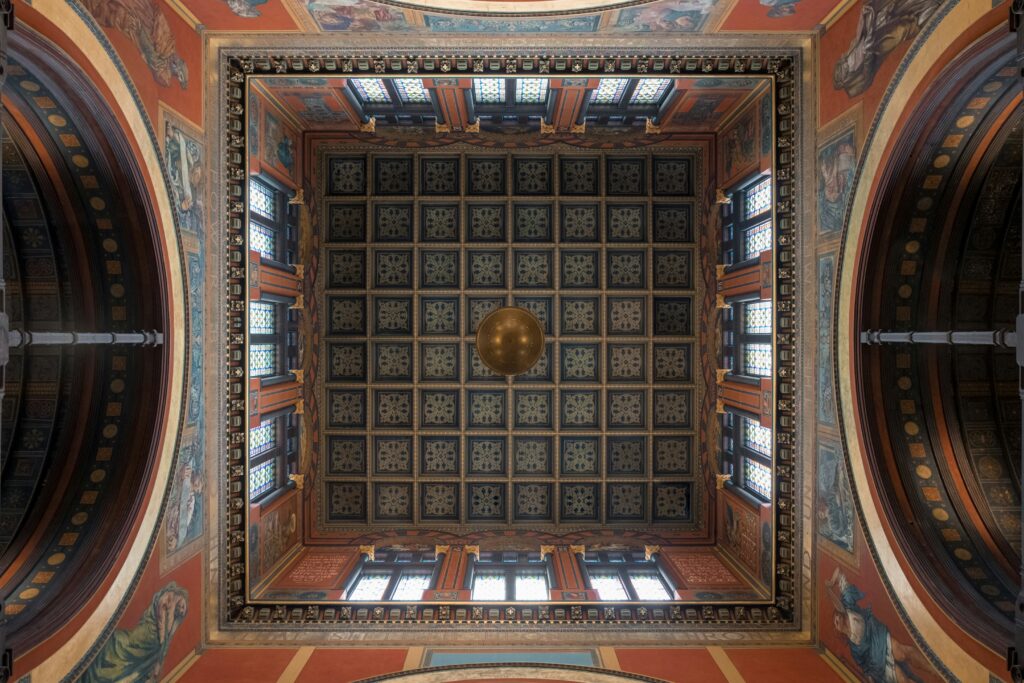
Symmetry photography composition creates visual harmony by balancing identical or mirrored elements on either side of the frame.
This technique is often used in:
- Architecture
- Portraiture
- Fine art photography
Symmetrical compositions feel calm and powerful because the viewer’s eye immediately understands the structure of the image.
However, symmetry becomes even more interesting when it is slightly disrupted. Introducing a subject within a symmetrical environment can create tension and intrigue.
Negative Space Photography
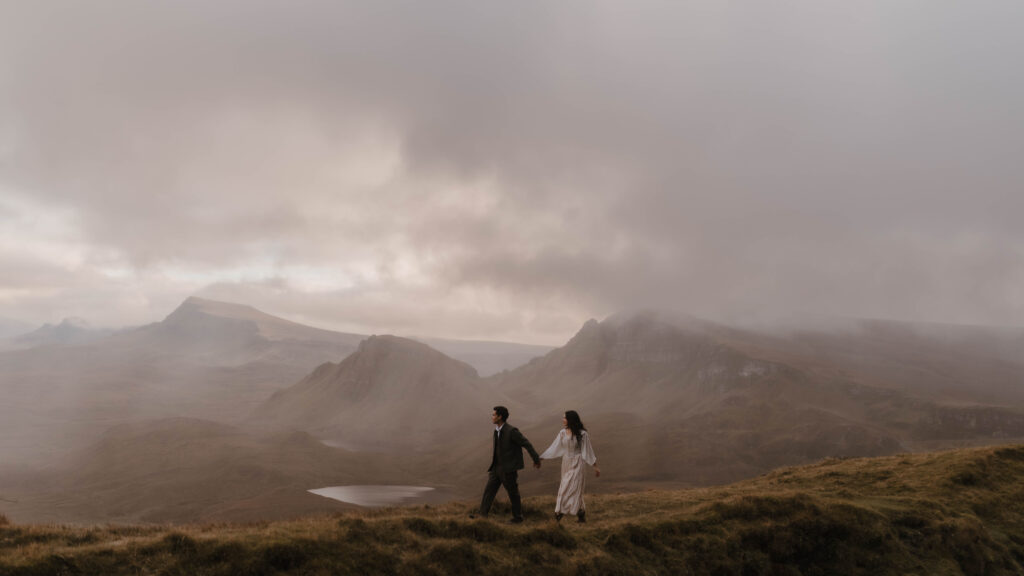
Negative space photography uses empty areas of the frame to emphasise the subject.
Rather than filling every corner of the image, negative space allows the subject to breathe. This technique often results in minimalist compositions that feel intentional and refined.
Negative space can be created using:
- Sky
- Water
- Walls
- Landscapes
- Soft backgrounds
It is a powerful way to simplify a scene and draw attention exactly where you want it.
Depth and Layers in Photography
Flat images rarely hold attention for long. One of the best ways to improve composition is by creating depth and layers in photography.
This usually involves including three visual planes:
- Foreground
- Midground
- Background
When multiple layers exist within a frame, the viewer feels as if they are looking into the scene rather than at it.
This is particularly important for storytelling photography and environmental portraits.
Foreground Interest Photography
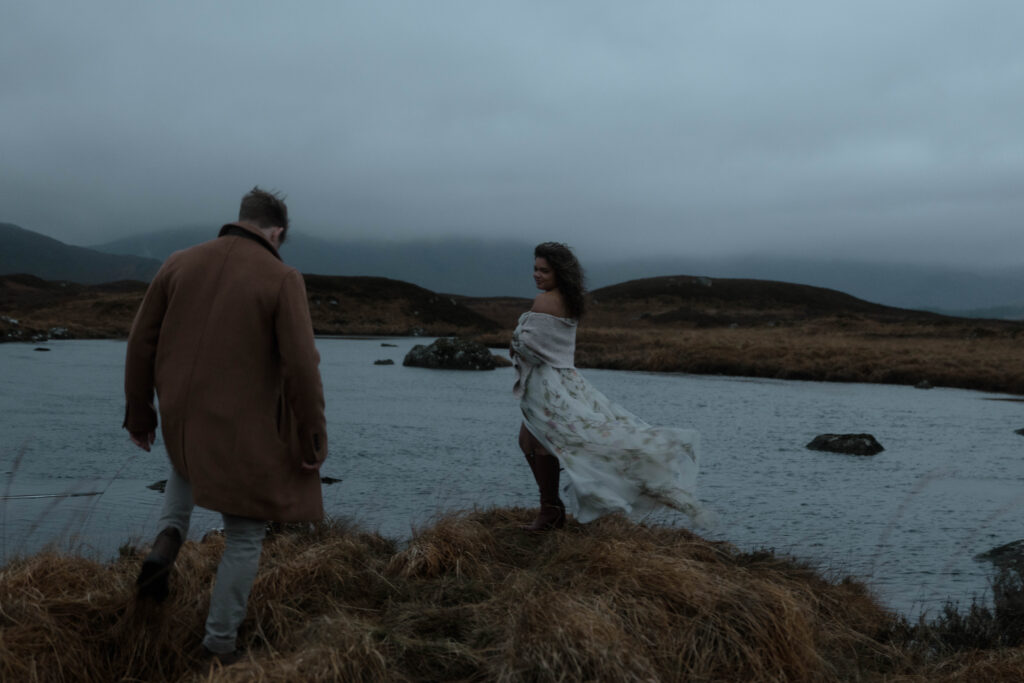
Closely related to layering is foreground interest photography.
Adding elements in the foreground creates visual depth and context. It also gives the viewer something to move through as they explore the image.
Foreground elements might include:
- Flowers
- Furniture
- Architectural details
- Textures or natural objects
When used thoughtfully, foreground interest can transform an otherwise simple photograph into something immersive.

Balance in Photography Composition
Balance in photography composition refers to how visual weight is distributed across the frame.
Some elements naturally attract more attention than others. For example:
- Bright areas
- Human faces
- Strong colours
- High contrast
A well-balanced photograph ensures that one side of the image does not feel overwhelmingly heavy compared to the other.
Balance can be symmetrical, but it can also be asymmetrical, where different elements counterbalance one another.

Golden Ratio Photography
The golden ratio photography technique originates from classical art and mathematics.
This compositional structure follows a naturally occurring ratio found in nature, architecture, and classical painting. Many artists throughout history have used the golden ratio to create visually pleasing compositions.
While it is more complex than the rule of thirds, the golden ratio can create incredibly elegant image structures when applied thoughtfully.
Golden Spiral Photography
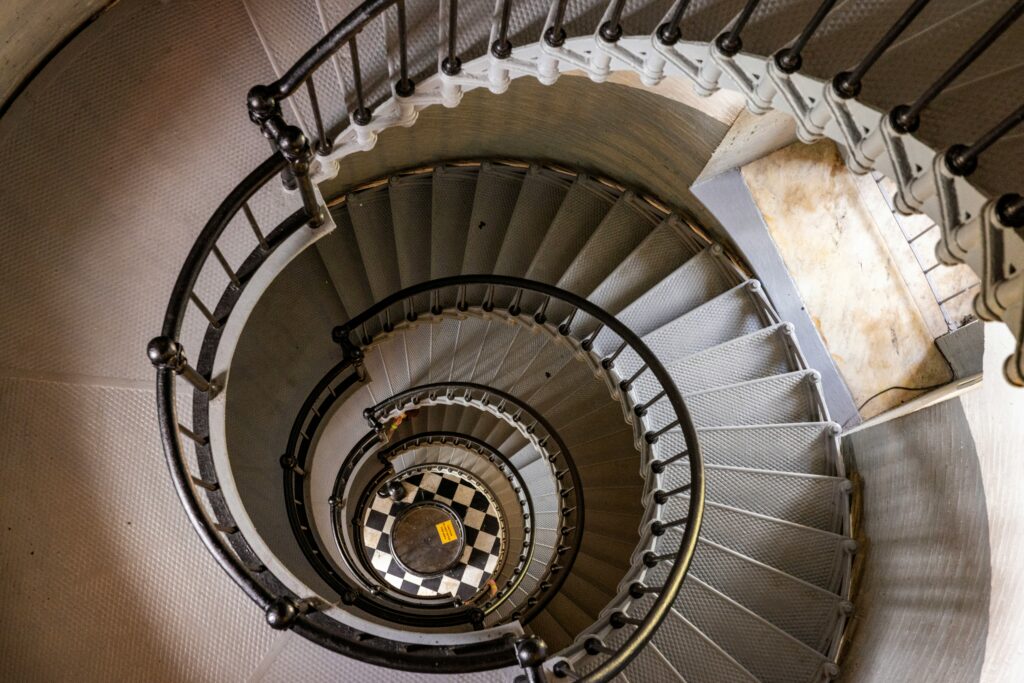
Closely related to the golden ratio is golden spiral photography.
The golden spiral guides the viewer’s eye along a curved path that leads toward the main subject of the image.
This technique works particularly well in:
- Landscape photography
- Architectural photography
- Editorial storytelling
The spiral creates a natural visual journey through the frame, drawing the viewer deeper into the photograph.
Triangle Composition Photography
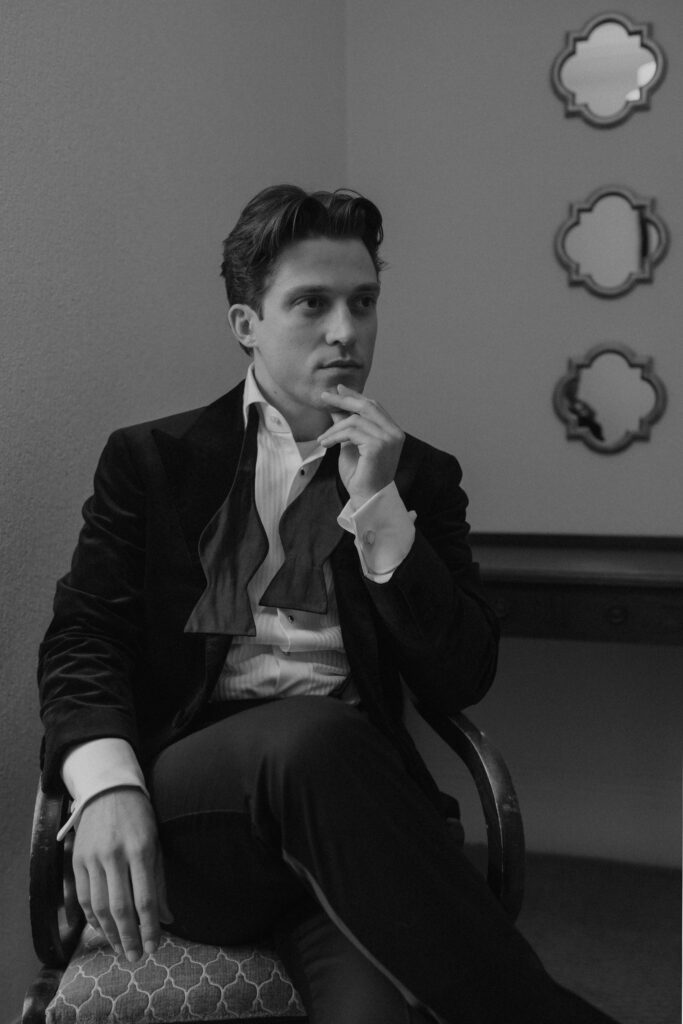
Triangle composition photography uses triangular arrangements of subjects or visual elements to create stability and flow.
Triangles naturally guide the eye around the frame and help structure the relationship between multiple subjects.
This technique is commonly used in:
- Portrait photography
- Wedding photography
- Editorial photography
Triangles create dynamic yet balanced compositions that feel structured without appearing rigid.
Centered Composition Photography
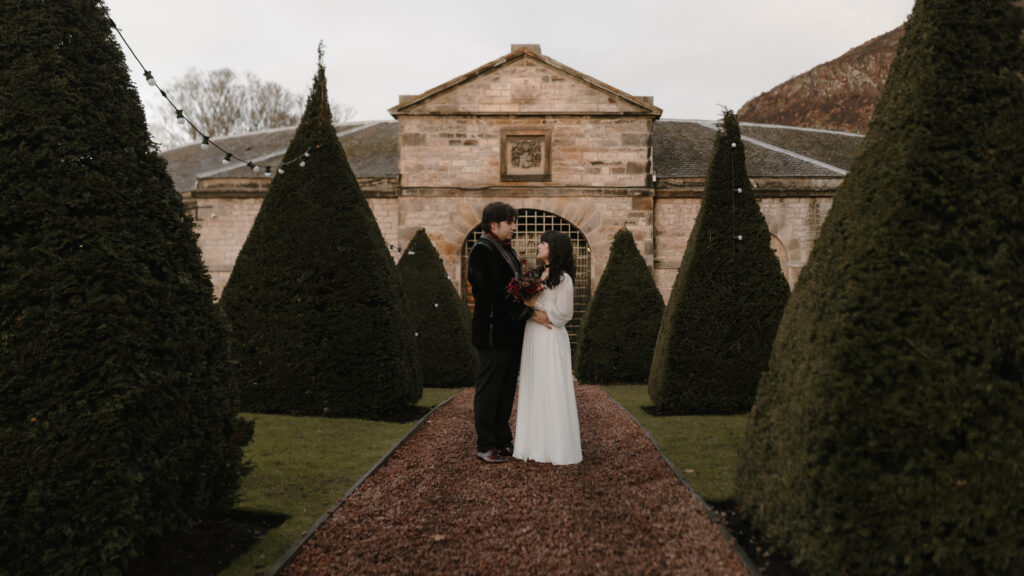
While many photographers are taught to avoid placing the subject in the middle of the frame, centered composition photography can actually be incredibly powerful.
Centered compositions work particularly well when:
- The scene is symmetrical
- The subject is strong and dominant
- Minimal distractions exist in the background
When used intentionally, centered composition creates bold and confident imagery.
Perspective in Photography Composition
Perspective in photography composition refers to how the position of the camera influences the perception of space and scale.
Changing perspective can completely transform an image.
Consider experimenting with:
- Shooting from above
- Shooting from ground level
- Moving closer to your subject
- Using wide angles or longer lenses
Perspective allows photographers to reshape reality and present familiar scenes in fresh ways.
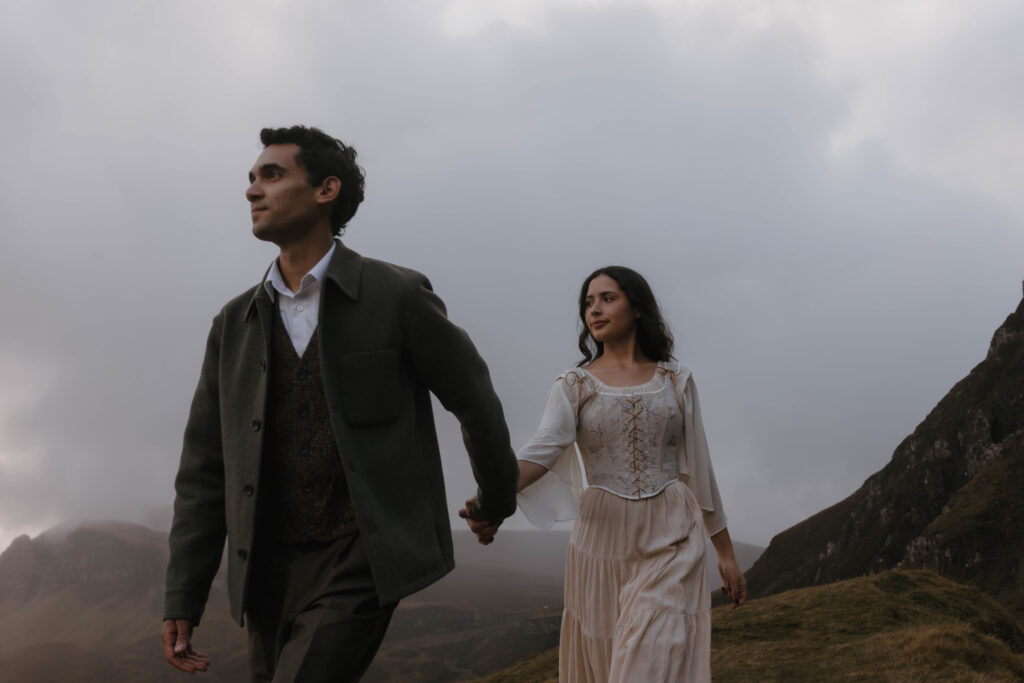
Leading Lines Photography
Leading lines photography uses natural or architectural lines to guide the viewer’s eye through the frame.
Common leading lines include:
- Roads
- Rivers
- Railings
- Pathways
- Architectural lines
These lines naturally pull the viewer toward the subject while creating strong visual movement within the image.

When to Break Photography Rules
Learning the rules of composition is essential. However, the most interesting photography often happens when you intentionally break them.
Once you understand the foundations, you can begin experimenting with unconventional framing, unusual perspectives, and unexpected subject placement.
Breaking the rules is often the first step toward developing a photography style that feels authentic and distinctive.
The key is intentionality. Rules should be broken deliberately, not accidentally.
Take Your Photography Further
Understanding photography composition rules is one of the most powerful ways to elevate your work, but knowing the theory and applying it consistently are two very different things.
Many photographers learn the basics such as the rule of thirds photography, leading lines photography, or negative space photography, yet still feel unsure about why some images feel stronger than others. The real growth happens when you begin analysing your own work, refining your instincts, and intentionally shaping your visual voice.
That is exactly where personalised education becomes invaluable.
If you are serious about developing a photography style, improving your storytelling, and learning how to compose better photos with confidence, I offer photography coaching for photographers designed to help you move beyond the basics.
During a coaching session we can work through:
- Strengthening your composition and visual storytelling
- Understanding what is holding your images back
- Refining your artistic style and brand direction
- Building a portfolio that attracts the clients you actually want
- Practical steps to elevate your work and your photography business
These sessions are tailored specifically to you and your goals, whether you are searching for beginner photography composition tips or looking to refine a more advanced visual style.
If you are ready to take your photography seriously and want honest, constructive guidance, you can explore my coaching options and portfolio reviews below.
Explore Photography Coaching →
Because once you truly understand the rules of composition and when to break photography rules, your work stops looking like everyone else’s and begins to look unmistakably like yours.
