
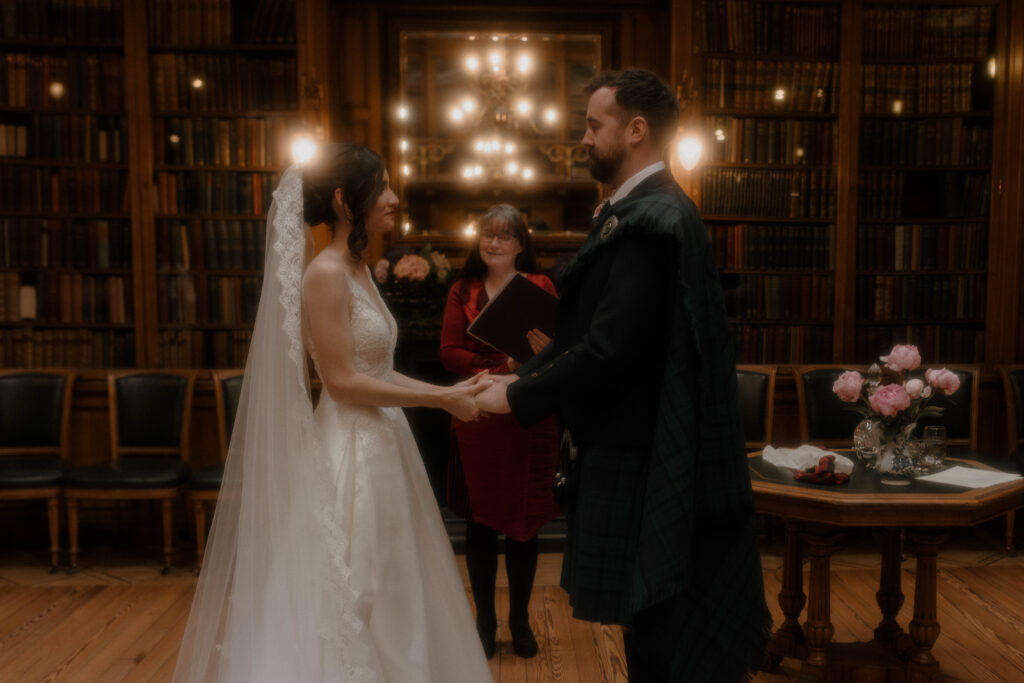
When you search for a cinematic wedding photographer, you will find the word “cinematic” on almost every website you visit. It appears in taglines, about pages, and package descriptions with remarkable consistency, yet almost nobody explains what it actually means. That is a problem, because cinematic wedding photography is not a preset, a filter, or a mood board aesthetic. It is a deliberate approach to composition, light, colour, and storytelling that makes a wedding gallery feel like a sequence of film stills rather than a record of events.
The distinction matters because it changes what you experience on the day and what you receive at the end of it. Aly Robinson Photography is a Scotland-based fine art photographer whose work is rooted in art history and the visual language of the Italian Masters, an illustrative example of what this approach looks like when it is taken seriously as a craft. By the end of this article, you will understand exactly what defines the cinematic style, how to spot it honestly in a portfolio, what technical choices like 35mm film or digital grading actually change, and which questions to ask before you sign anything.
How a cinematic wedding photographer differs from traditional and documentary styles
What each style actually prioritises on the day
Traditional wedding photography is structured and directive. The photographer works through a shot list, organises group portraits in an orderly sequence, and ensures comprehensive coverage of every formal moment. The goal is completeness and clarity. Documentary photography takes the opposite approach: the photographer observes rather than directs, moving through the day like a quiet witness and capturing events as they unfold without shaping them. The result is authentic and unscripted, but it gives the photographer minimal control over light or composition.
Cinematic wedding photography sits between the two, and that position is where most of its value lies. The photographer captures real moments rather than constructed ones, but they actively shape the conditions around those moments. They wait for better light, choose a more deliberate angle, and consider how each image will function within a visual sequence. The result feels genuine because the emotion is real, and it feels considered because the framing is intentional.
The role of direction and intention
A cinematic wedding photographer guides couples, but the direction is gentle and purposeful rather than heavy or scripted. Think of it less like posing and more like a film director creating the conditions for something authentic to happen within a beautifully composed frame. The couple is not acting; they are being placed in a situation where genuine feeling and strong visuals can coexist, and that subtle difference comes through in every finished image.
This means the style requires a certain openness from you as a couple. If you want zero interaction and a completely unobserved day, documentary is probably a better fit. If you want a structured shot list with every guest group accounted for, traditional photography is more appropriate. Cinematic is for couples who want the emotional authenticity of documentary storytelling combined with the visual depth and intention of fine art.
The visual language of cinematic wedding photography
Composition, light, and colour grading
Four visual ingredients separate a genuinely cinematic image from a filtered one: intentional composition, directional light, restrained colour grading, and tonal depth. Composition means deliberate subject placement, leading lines, negative space, and a sense that the frame was chosen rather than grabbed. Directional light means the light comes from somewhere specific and creates shadow, shape, and mood rather than washing everything in flat, even coverage. Restrained colour grading supports the emotional tone of the image without over-saturation or trendy colour shifts that risk dating the images over time.
These elements only work together. Strong composition with flat light produces a well-framed but lifeless image. Beautiful light wasted on a careless crop produces a technically interesting frame that fails as a photograph. The cinematic approach requires all four ingredients to be considered simultaneously, which is why it demands a higher level of visual literacy than simply pressing the shutter at the right moment.
How art history shapes the approach and what that looks like in practice
The Italian Masters, particularly Caravaggio, used a technique called chiaroscuro: the strategic placement of dramatic shadow against directional light to create depth, draw the eye to emotion, and make figures feel physically present within the frame. A dark background, a single concentrated light source, a subject positioned exactly where the illumination reveals expression and gesture most powerfully. The effect is almost three-dimensional, and it gives the image an intensity that flat, evenly lit work cannot replicate.
A photographer working within this tradition applies the same thinking to wedding days. They might position a couple in a doorway so that natural light falls across one side of their faces, let shadow build contrast against a stone wall, or use the darkness of a highland sky to make a lit figure feel luminous. Aly Robinson Photography’s compositional approach draws on this tradition, with an art history background that informs how each frame is built, giving couples in Scotland and beyond a concrete, visually grounded reference for what cinematic photography means when it is taken seriously as a craft rather than used as a marketing word.
Film, medium format, and digital: what difference does it actually make?
How shooting on film changes the look and feel
35mm and medium format film do things to an image that digital cannot fully replicate through post-processing alone. Film grain gives images a tactile, organic texture that feels materially different from digital noise. Highlight roll-off on film is softer, which means bright wedding dresses and mixed reception lighting feel gentle rather than clipped. Medium format delivers smoother tonal transitions and a richer, more sculptural depth, which is why many photographers reserve it for formal portraits where those qualities matter most. 35mm is more portable and better suited to fast-moving, candid coverage like ceremony and dancing, largely because of its handling characteristics and longer roll length.
The physical characteristics of film also change how photographers work. With a finite number of exposures and no ability to review shots instantly, film encourages more deliberate composition and timing. You commit to the frame before you take it, which tends to produce work that feels considered rather than selected from a volume of identical options.
The practical trade-offs: cost, turnaround, and when digital grading works instead
Film adds real, variable costs to every wedding: film stock, development, and lab scanning on top of the photographer’s time. Based on current market rates, this can add several hundred pounds to the total cost of coverage, and delivery timelines typically extend by two to four weeks when a lab step is involved. These are not reasons to avoid film, but they are facts worth understanding before you request it.
Digital, shot with intentional colour grading rather than applied presets, can achieve a film-adjacent look with greater flexibility in low light and faster turnaround. The honest guidance is this: ask the photographer what format they recommend for your specific venue, season, and light conditions rather than choosing film as a default because it sounds more artistic. A photographer who understands both formats will give you a clear, reasoned answer based on your actual wedding day.
What to look for in a cinematic wedding photographer’s portfolio before you commit
Signs of a genuine cinematic aesthetic versus heavy digital filters
A genuinely cinematic portfolio has consistent visual logic across all its images. Look for one clear subject with deliberate framing; directional or dramatic light that creates shadow and depth; a coherent colour palette of two or three dominant tones; and images that imply a narrative, as though something meaningful happened just before or just after the frame was taken. The whole gallery should hold together as a visual sequence rather than presenting a handful of strong hero shots surrounded by unremarkable filler.
The red flags are equally clear. Obvious vignette-and-colour-shift overlays applied uniformly across every image. Before-and-after filter comparisons presented as evidence of skill. Skin tones that drift into orange or pink regardless of the original light. A portfolio built entirely from Instagram highlights with no full wedding galleries available to view. These are signs that the aesthetic is applied rather than built, and the distinction will be visible every time the light conditions on your wedding day fall outside the preset’s comfort zone.
Why full wedding galleries matter more than highlight reels
Always request at least two or three complete wedding galleries from a photographer before you book, not just their twelve best images. A full gallery shows you how they handle low-light receptions, unglamorous transitional moments, and the full arc of the day from morning preparations to the end of the evening. Photographers confident in their cinematic approach will generally be willing to share full galleries; if someone is reluctant, that hesitation tells you something important before any contract is signed.
Real cinematic work adapts to every lighting condition: bright outdoor portraits, dim church interiors, candlelight at dinner, the blue hour between ceremony and reception. Preset-driven work often looks strong in ideal conditions and struggles when the light becomes complex. A full gallery reveals exactly where the consistency ends.
Questions to ask at your first consultation
Style, storytelling, and genuine fit
The most revealing questions at a first consultation are not about price. Start by asking to see full wedding galleries rather than highlights, then explore how they adapt their visual approach to different venues and lighting conditions, and how they handle couples who feel camera-shy or uncomfortable being directed. It is also worth confirming whether they will personally be shooting your wedding or whether a team member will take over on the day. These questions reveal whether a cinematic wedding photographer’s approach is genuinely flexible or only produces great work when the conditions are ideal.
Also ask about storytelling directly: how do they approach capturing the emotional arc of the day, not just the formal moments? How do they balance candid coverage with couple portraits? A photographer who answers these questions with specific examples and clear thinking is more likely to deliver consistent work on the day than one who responds with generalities about “capturing love” and “telling your story.”
Deliverables, timelines, and what you are actually paying for
Get clear on the practical details before the conversation ends. What is included in the package: edited gallery, highlight film, full feature film, second shooter, engagement shoot, album? What is the typical delivery timeline? How many revision rounds are included for video deliverables? What does the payment structure and cancellation policy look like?
For UK couples budgeting in 2026, full-day cinematic packages broadly sit between £1,500 and £3,500 at a mid-range level, with luxury and fine art photographers pricing above £3,500 depending on travel requirements, coverage length, and deliverables. Understanding this before the consultation means the conversation is productive and efficient for both sides, and it helps you assess whether a photographer’s pricing reflects their experience and the quality of their work or simply their confidence in a marketing word.
The decision in front of you
A cinematic wedding photographer is not someone who applies a moody grade to digital files at the editing stage. They think deliberately about composition, light, and storytelling from the moment they arrive at your venue, building each image with the same intentionality that a film director brings to a scene. The style suits couples who want their gallery to feel like evidence of something meaningful, not simply a record of the order in which things happened.
With that grounding, the shortlisting process becomes straightforward. You understand the difference between cinematic, documentary, and traditional styles, and what 35mm and medium format film actually change in practice. You can evaluate a portfolio with a critical eye rather than an emotional one, and you have the questions ready to make a first consultation genuinely useful.
Start with two or three photographers whose full galleries genuinely move you, book a discovery call with each, and consider an engagement shoot before committing. Seeing how the working relationship feels in a lower-stakes setting is one of the most reliable ways to know whether the creative trust required for cinematic work is actually there. If you would like to see what this approach looks like in practice, get in touch with Aly Robinson Photography to request a full gallery and talk through your wedding vision.
