
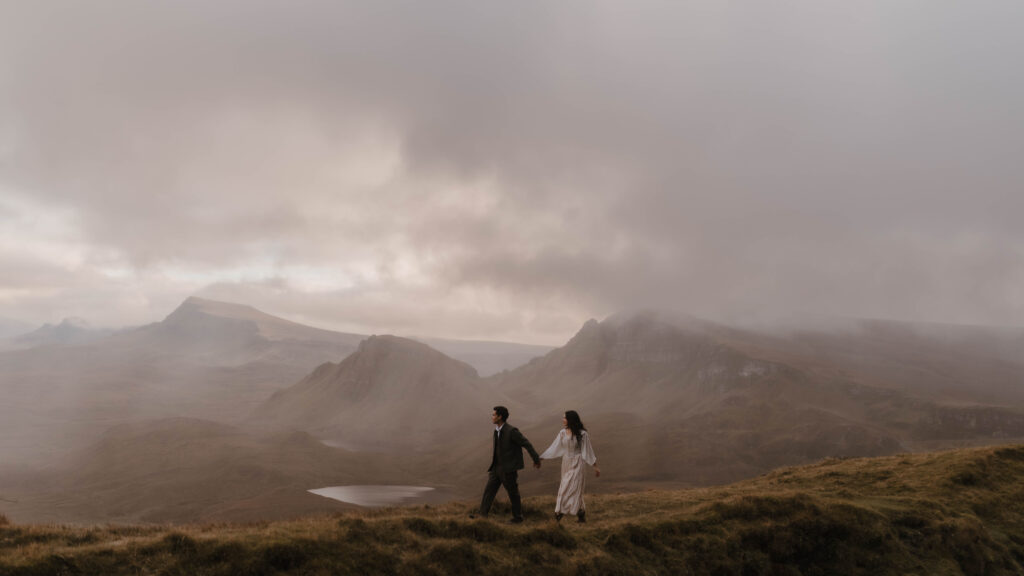
Choosing a Scotland wedding photographer is one of the most significant decisions you’ll make in the run-up to your Scottish wedding day, and the sheer volume of talented photographers working across the country makes that decision genuinely overwhelming. Without a clear framework for comparing them, many couples end up relying on a single beautiful Instagram image or a friend’s recommendation, neither of which is a reliable basis for a booking of this importance. When you study the work being produced at the top of the Scottish wedding photography market, certain qualities become non-negotiable. Style depth, location expertise, portfolio consistency, and an airtight contract: these are the four pillars that separate a confident booking from a gamble. By the end of this guide, you’ll have a practical shortlist method and know exactly what to ask before you sign anything.
Photography styles explained: finding the one that fits your wedding
Style language in wedding photography gets used loosely, and that makes comparisons harder than they need to be. Before you begin shortlisting Scottish wedding photographers, it helps to get clear on what each approach actually looks like in practice.
The documentary and reportage approach
A true documentary photographer works almost invisibly, capturing moments as they unfold without directing you. This approach suits couples who dislike posing and want their day to feel authentic rather than staged. The best documentary photographers bring a strong compositional eye to everything they capture, spontaneity and skilled craft working in tandem, as the finest reportage work from Scotland consistently demonstrates.
Fine art and cinematic photography
Fine art and cinematic wedding photography blends intentional composition, a sophisticated understanding of light, and a considered visual narrative. The most distinctive cinematic work coming out of Scotland produces images that look more like film stills than event coverage, characterised by dramatic light, precise framing, and a depth of atmosphere that straightforward documentary photography rarely achieves. This is the style for couples who want their wedding photographs to function as heirloom art rather than a simple documentary record.
Traditional and relaxed editorial styles
Traditional photography typically centres on formal group portraits and structured couple shots, which suits families who prioritise those images above all else. The relaxed editorial approach sits in the middle: the photographer offers natural direction to guide moments without forcing them, producing candid-feeling images that are still visually considered. This style works well for couples who want both family formals and genuine emotion captured throughout the day.
Why a Scotland wedding photographer’s location knowledge matters
Location-specific experience is a baseline requirement when hiring a wedding photographer in Scotland, not an optional bonus. The country presents lighting and logistical conditions that will expose any photographer who hasn’t worked them before.
The Highland and island challenge
The Highlands and islands bring extreme seasonal daylight swings, rapidly changing weather, remote access logistics, and tidal windows that affect coastal and causeway shoots. A photographer who has never worked Glencoe, the Isle of Skye, or the North Coast may struggle to make the most of those locations on the day. Experience with dramatic Highland light reads directly in the final images: the difference between someone who understands how those landscapes move and shift, and someone encountering them for the first time, is visible in every frame.
City venues: Edinburgh, Glasgow and the mixed-light problem
Scotland’s cities present a different but equally demanding set of challenges. Edinburgh’s narrow closes are substantially darker than the street outside, creating exposure problems that catch less experienced photographers off-guard. Historic venues in both Edinburgh and Glasgow often mix window light with artificial ceiling fixtures, producing competing colour temperatures that are difficult to balance cleanly in camera. Scotland’s northern latitude also means long summer shadows fall at low angles, requiring a photographer who knows how to work with directional light rather than fight it. For couples planning weddings in Edinburgh or Glasgow specifically, it is worth asking any photographer you are considering how they handle exactly these conditions.
How to read a Scotland wedding photographer’s portfolio and spot genuine quality
Portfolio reviews feel intuitive, but most couples are actually evaluating the wrong things. A practical framework for assessing wedding photography in Scotland makes the process faster and far more reliable.
Consistency is the real test
A handful of stunning hero images tells you very little about a photographer’s actual capability. Scroll deliberately to the images from rainy outdoor ceremonies, dimly lit country house receptions, and evening speeches, the moments where light is difficult and conditions are unpredictable. A strong Scottish wedding photographer delivers consistent quality across all of them, not just the golden-hour shots. If the portfolio thins out or quality drops noticeably outside ideal conditions, that is significant information.
Emotional depth versus pretty composition
Well-composed images and genuinely moving images are not the same thing, and it is worth taking a moment to distinguish between them. A technically competent photograph can be beautifully framed and still leave you feeling nothing. The images that define fine art wedding photography in Scotland, the ones that separate heirloom-quality work from capable event coverage, are the ones that capture a feeling rather than simply documenting a moment. If a portfolio makes you feel something, that response is data. Trust it as part of your evaluation alongside the technical assessment.
What Scotland wedding photography actually costs and what’s included
Price variation in Scottish wedding photography is wide, and understanding what drives it helps couples compare packages fairly rather than simply choosing the lowest number.
Typical price ranges by wedding type
For a full wedding day in Scotland, you can expect to pay between £1,600 and £3,000 with most mid-market photographers, and above that range for luxury fine art work. Elopement packages, which have become an increasingly popular choice, from intimate Highland ceremonies to coastal Scotland elopement shoots, typically fall between £700 and £1,600, depending on coverage hours and what is included. Micro-wedding and ceremony-only coverage often starts around £400 to £900.
The variables that drive the difference are experience level, whether a second shooter is included, album and print options, and the depth of post-processing investment. These figures reflect current market conditions and will shift with demand, so treat them as a useful orientation rather than a fixed standard.
What a solid package should include
A professional wedding photography package should include a full-resolution online gallery of roughly 650 to 900 edited images for a full day’s coverage, a sneak peek selection within 48 hours of the wedding, and full gallery delivery within six to eight weeks. Albums and prints are almost always optional extras or available in higher-tier packages, so confirm exactly what is and is not included in writing before you commit. Adding a second photographer typically increases the investment by £300 to £500 or more, and that addition is worth considering for larger or more complex weddings where a single photographer cannot cover all moments simultaneously.
The questions every couple should ask before signing a contract
Shortlisting photographers you love is the enjoyable part of the process. The due diligence stage is what protects you, and the questions below are the ones that matter most before you hand over a deposit.
Contract basics and what must be in writing
A professional Scotland wedding photographer will have a written contract ready without being asked. That contract must cover the date and hours of coverage, the deliverable count and format, the payment schedule, and clear terms around cancellation or postponement from either side. Confirm explicitly who will actually photograph your wedding. In studios or agencies with multiple photographers, the named photographer is not always guaranteed, and discovering a change of photographer close to your date is a situation worth avoiding contractually.
Insurance, backup plans, and second shooters
Ask directly whether the photographer holds public liability insurance. Some Scottish venues require written proof before allowing any supplier onsite, so this matters practically, not just in principle. Establish what the photographer’s backup plan covers: illness, equipment failure, and no-show scenarios should all be addressed in the contract. If a second shooter is part of your package, confirm whether they are named in the contract or simply guaranteed as a standard inclusion.
Finally, clarify your image usage rights in writing. Under standard UK practice, copyright remains with the photographer unless a written licence states otherwise, so confirm exactly what you are licensed to do. How you may use your images, printing, sharing online, and publishing, should all be confirmed in writing before you sign.
Choosing well matters more than choosing quickly
The four pillars covered in this guide, style match, location experience, portfolio consistency, and clear contract terms, give you a reliable method for moving from a long list of options to a confident booking. The difference between a good and an exceptional Scotland wedding photographer usually comes down to depth of experience, not the most polished Instagram feed or the most competitive price.
Aly Robinson Photography represents what this standard looks like in practice: fine art cinematic work rooted in the Scottish Highlands, with a genuine fluency across the country’s most demanding locations and lighting conditions. That combination of artistic vision and location expertise is precisely what this guide has described, and it is what you should be looking for as you assess any photographer on your shortlist.
Take that shortlist, apply the questions in this guide to each photographer on it, and trust the instinct that comes from reviewing work carefully and asking the right things. Booking on price alone rarely serves couples well. Booking on demonstrated quality and clear contract terms almost always does. Reach out to the photographers you are considering, ask these questions directly, and pay close attention to how they respond. That conversation will tell you as much as their portfolio.
